Burbn to Instagram: the product got better when it did less
Burbn did many things and few people used it. Cutting it down to one thing, photos, turned it into Instagram.
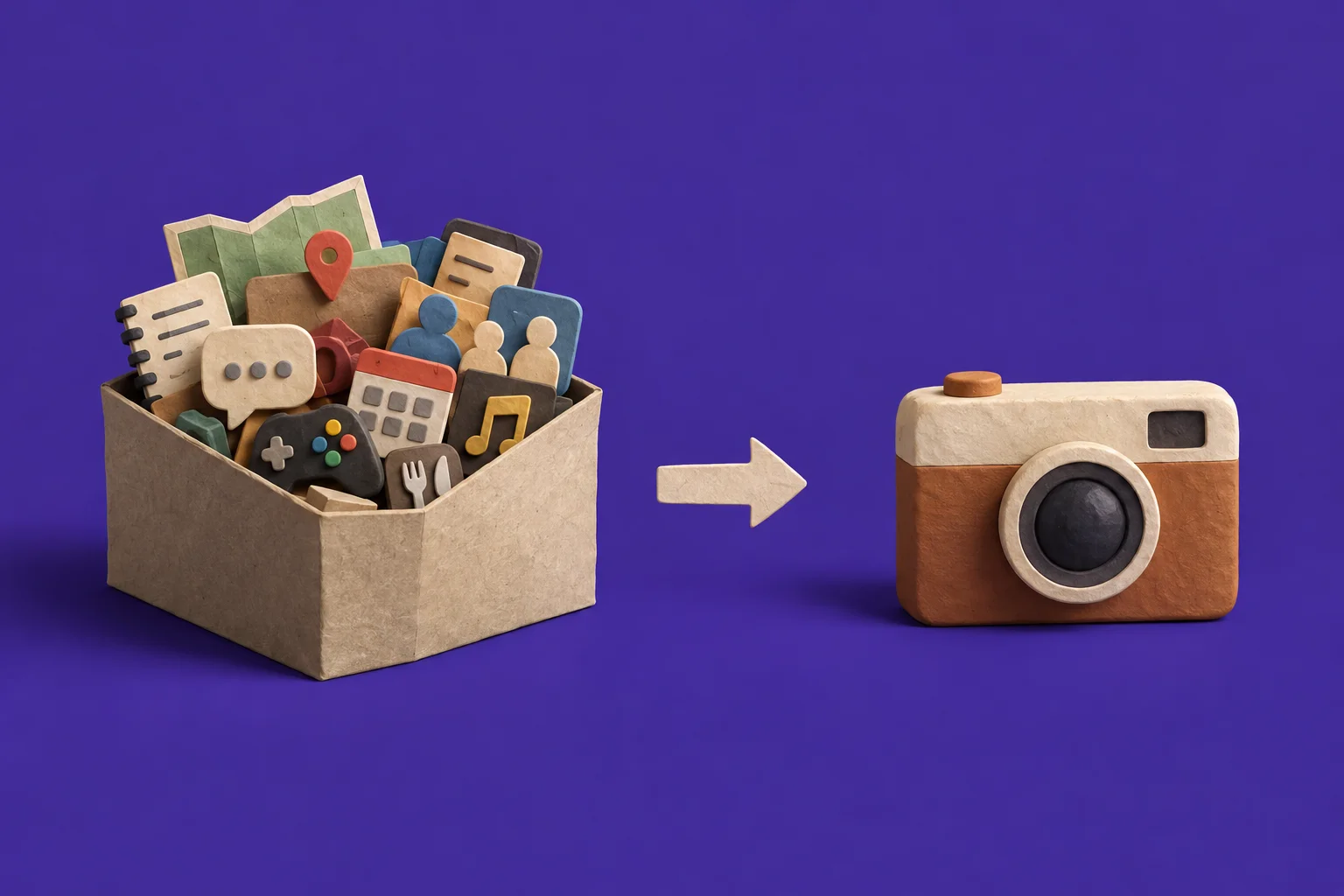
In 2010, Kevin Systrom built an app that did a lot of things. Few people used it. The product only started to work when the team stopped adding and started taking away.
In brief
- Burbn was a location check-in app with plans, points and photos.
- Few people used it, but those who did used the photo sharing.
- The team cut almost everything and rebuilt around photos.
- Instagram launched on 6 October 2010. About 25,000 people signed up on day one.
An app with many parts
Kevin Systrom built Burbn in 2010. It was a location check-in app. You checked in to places, made plans, earned points and shared photos.
Mike Krieger joined him. Between them they had a product with a lot in it, and a lot to maintain. There was one problem. Few people used it.
Every builder knows this moment. You shipped the features. You can list them. The numbers stay small anyway.
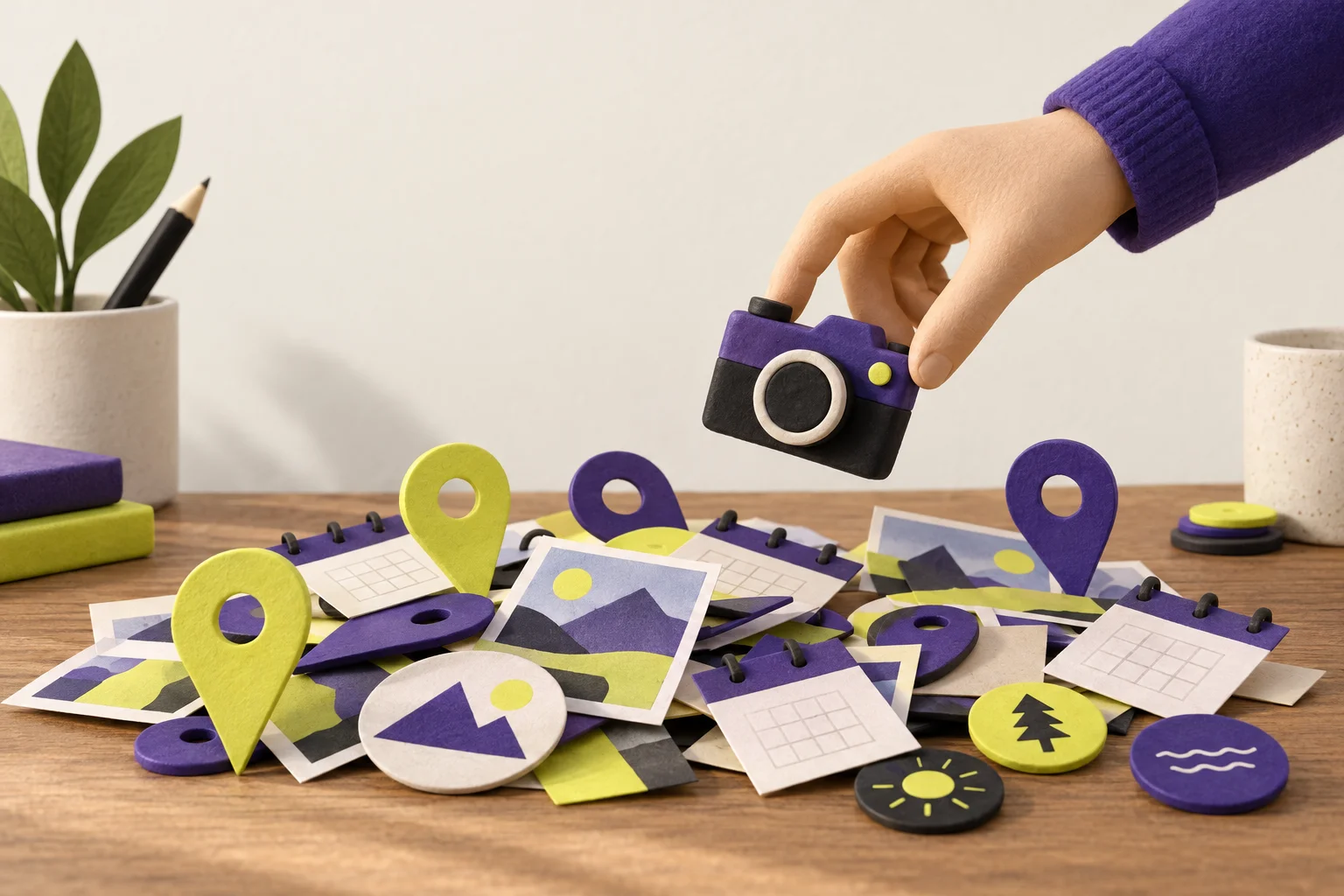
What the few users did
Here is the useful part. The people who did use Burbn used the photo sharing.
The plan was a check-in app. The real use was photos. Those two things were not the same, and the gap between them was the information that mattered.
It would have been easy to read this the other way. Few users could mean more features, more reasons to open the app. The team read it as a signal about what the product already was.
What they did about it
They cut almost everything. Then they rebuilt the app around one thing.
Cut almost everything
The check-ins, the plans and the points were no longer the product.
Pick one job
Take a photo on an iPhone, make it look good with a filter, and share it.
Keep the social part small
Likes and comments. Enough for people to respond to each other.
| Burbn | ||
|---|---|---|
| The idea | A location check-in app | A photo app |
| What you did | Check in, make plans, earn points, share photos | Take a photo, add a filter, share it, get likes and comments |
| Photos were | One feature among several | The whole product |
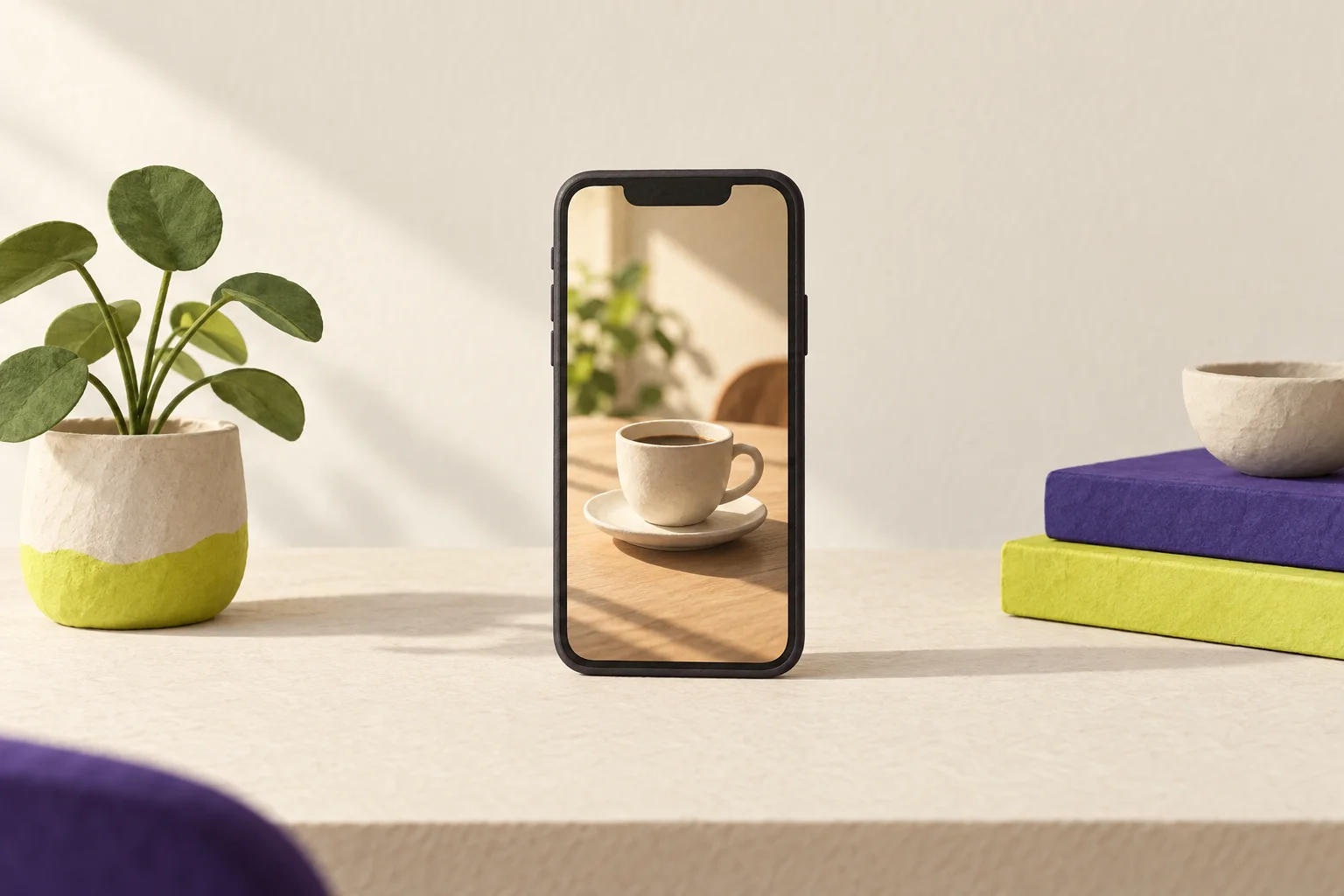
Notice how little is left. There is a camera, a filter and a way to share. Each part answers the same question: how do I get a good-looking photo to other people?
What happened next
Instagram launched on the App Store on 6 October 2010. About 25,000 people signed up on the first day.
In April 2012, Facebook bought Instagram for about $1 billion.
The point
Watch what people actually do in your product, not what you planned for them to do.
And remember that cutting features is a product decision. Often it is the best one.
Try it on your own product
You do not need a billion-dollar outcome to use this. You need an hour with your usage data and an honest answer to two questions.
- Look at what people really do in your product this month, not what the roadmap says they do.
- Name the one thing they come back for.
- Write down what you would cut if you rebuilt the product around that one thing.
You may not cut any of it. But the list will show you which features are carrying the product and which are only carrying weight.