Meetings That Change Behavior, Not Just Calendars
A story of turning long meetings into behavior change using psychological safety, small experiments, and simple measures.

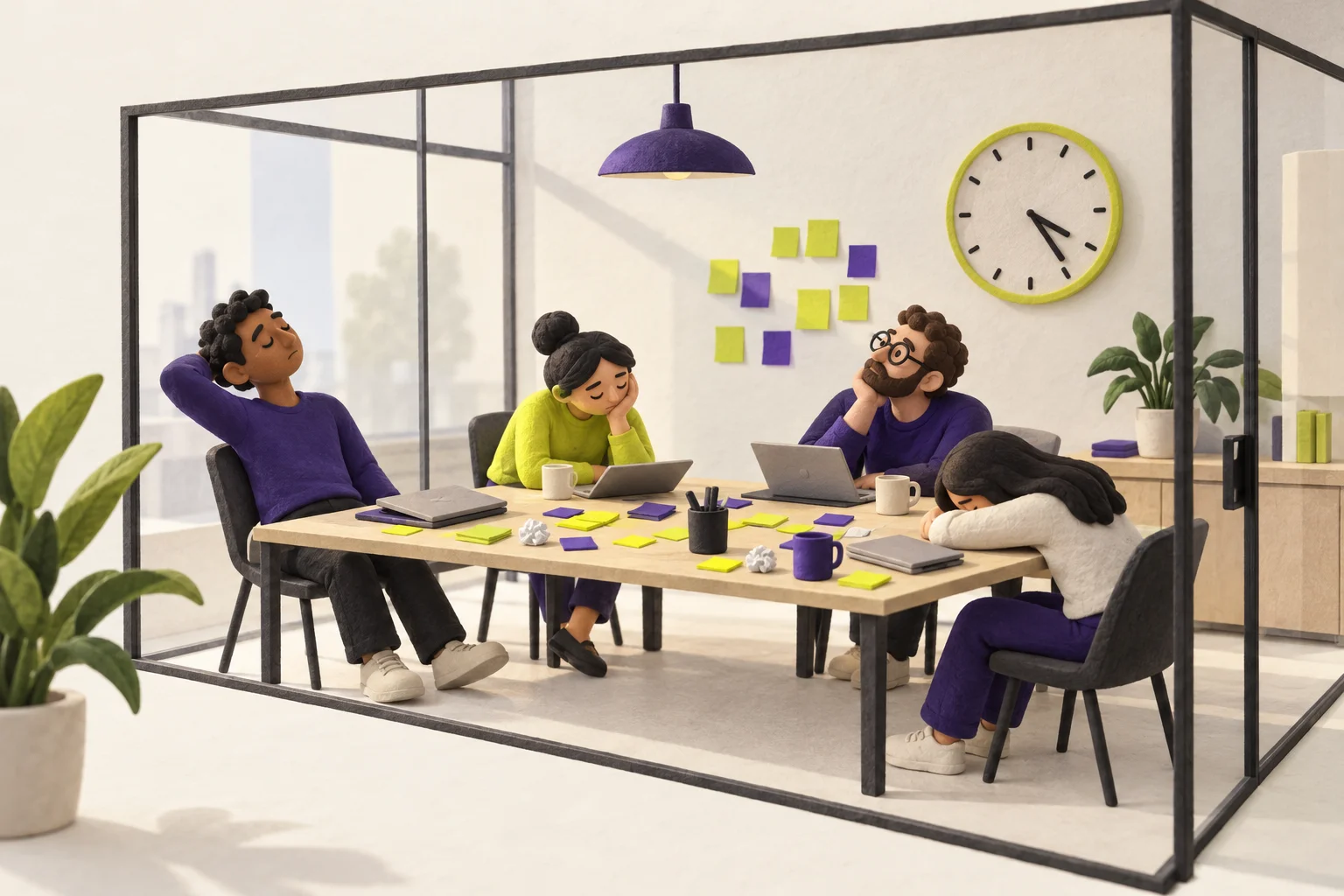
Our planning, design reviews, and retros soaked up half a day each sprint. We left with long lists and the same habits. Nothing changed. I thought we needed better discipline. I was wrong. We needed a different purpose.
- Use evidence, not intuition: psychological safety matters most.
- Make meetings shape norms, not just list tasks.
- Leave with one small, measurable experiment.
- Protect safety with simple rituals and shared facilitation.
- Measure behavior change with easy leading indicators.
Evidence changed my mind
I came across Google’s Project Aristotle. They studied 180 teams and found this: psychological safety was the top predictor of team effectiveness. That landed hard. Our meetings were safe enough for status, not for candor.
So we stopped tweaking agendas for efficiency. We aimed them at safety and norms first, tasks second.
We changed the purpose of meetings
Before, planning meant estimating and filling a board. Reviews meant sign-offs. Retros meant a venting list. After, each meeting had one job: surface and shape how we worked together.
| Old habit | Outcome-focused shift |
|---|---|
| Collect updates | Surface assumptions and risks |
| Debate solutions | State decision rules and trade-offs |
| List complaints | Pick one team norm to adjust |
| Leave with tasks | Leave with one experiment and an owner |
Rituals that protected safety
- Short personal check-in: one line from each person. No cross-talk.
- Norm-focused prompts: What surprised us? Where did we stay silent?
- Rotating facilitation: new facilitator every cycle.
- Visible timeboxes and parking lot for tangents.
- One small experiment only. Named owner. Due date.
With these in place, quieter voices showed up. Hard topics moved from hallway whispers to the table.
From talk to tests: our simple loop
Small beats grand. We learned more from a two-week test than from a big process doc.
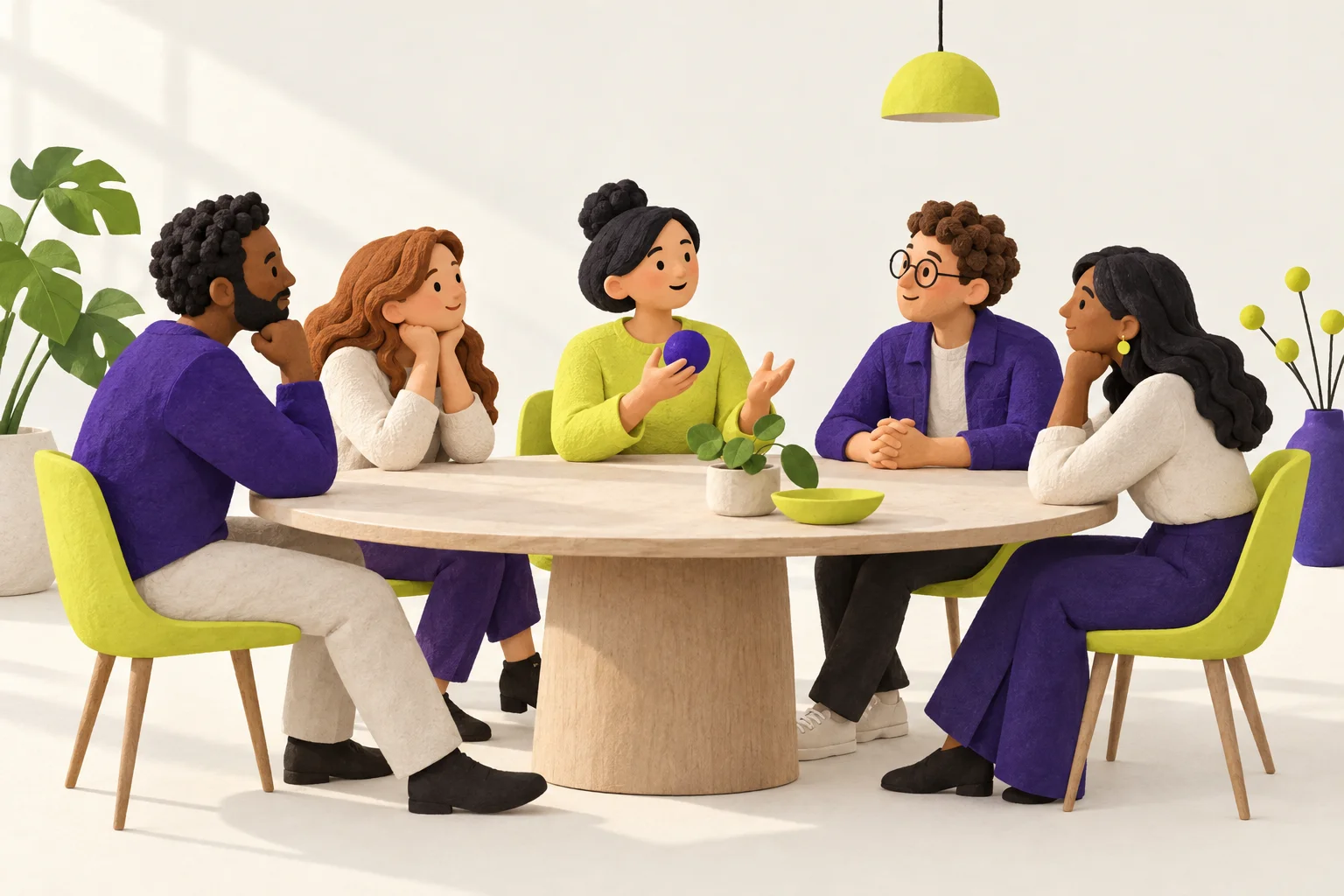
Worked example: a 30‑minute retro that moved us
- 3 min — Personal check-in. One word on energy. Pass is allowed.
- 7 min — Data first. Cycle time, defects, incidents, notable user feedback. No debate.
- 10 min — Single-norm deep dive. Example prompts: Where did we hold back a concern? What made that hard?
- 7 min — Design one experiment. Describe behavior, owner, and how we will see it. Keep it small.
- 3 min — Explicit follow-up. Confirm when and how we will check completion.
Tip: park all other topics. If something is burning, make it the next norm deep dive.
How we knew it worked
We did not wait for quarterly results. We watched simple leading signals:
- Attendance and on-time starts trended up.
- Experiment completion rate improved.
- A quick 1–5 pulse on perceived safety at the end of meetings edged higher.
As these moved, planning had fewer surprises. Reviews had clearer decisions. Retros got shorter because we learned faster.
Mistakes we left behind
- Turning retros into finger-pointing or status reports.
- Adding too many experiments at once.
- Failing to measure follow-through.
- Letting the same person run every meeting.
What it taught me
The point is simple. Psychological safety predicts whether teams perform. Run planning, reviews, and retros to shape safety and norms. Leave each one with a tiny, owned experiment. Measure if behavior changed. That is how meetings change outcomes, not just calendars.