Run Your Roadmap Like an NBA Rotation
A step-by-step guide to use NBA-style rotations to protect PM focus, time, and team energy across discovery, delivery, and ops.

This guide is for busy PMs who juggle discovery, delivery, and stakeholder fires. You will leave with a six-step plan and a worked six‑week rotation to guard attention, time, and team energy.
In brief: Treat your roadmap like an NBA rotation. Use focused blocks (starters), recovery blocks (bench), and a sixth‑man role for interruptions. Set minutes for discovery, delivery, and ops. Plan subs. Watch fatigue. Review tape weekly.

The rotation, step by step
Adopt a rotation
Work in weekly blocks. Mark starter weeks for deep work. Mark bench days for recovery and admin. Name a sixth‑man each week to catch interrupts and fast asks. Protect starters from meetings except key rituals and decisions.
Set energy budgets
Define minutes by role, not by tasks. A simple split is discovery 40%, delivery 40%, ops 20%. Translate that to hours in the week. Keep the split steady unless the season changes, like a release push.
Use matchups
Schedule hard work when the right people are on court. Pair complex research with your best researcher’s starter week. Line up heavy reviews when core engineers are fresh. Do not force big calls on bench days.
Plan substitutions
Pre‑authorise partial handoffs for known types of interrupts. Write a one‑page handoff card. Keep decision rights clear. Make the sixth‑man the first line for incoming asks and triage.
Track fatigue
Watch for late PRDs, missed decisions, slow reviews, and tense handoffs. Shorten starter stints or add bench days when signals rise. Avoid loading stars because they cope. That is how they burn out.
Run film review
Hold a 30‑minute weekly retro. Review three plays: one decision, one handoff, one meeting block. Check fatigue and interrupts. Adjust next week’s rotation and subs. Keep it about how you worked, not status.
What changes with a rotation
| Aspect | Default scheduling | NBA‑style rotation |
|---|---|---|
| Time allocation | Meetings fill the week; deep work fits around them. | Starter blocks ring‑fenced; bench days absorb admin and drift. |
| Interrupts | Everyone context switches. | Sixth‑man handles first; planned subs cover the rest. |
| Decision flow | Decisions spill across days. | Decisions land inside starter windows with fresh heads. |
| Metrics | Velocity and output dominate. | Decision quality, fewer interrupts, steady cadence. |
| Role clarity | Implied and fuzzy. | Named starters, sixth‑man, and subs with decision rights. |
| Energy | Used up by Friday. | Managed week to week; recovery is planned. |
Checklist to start
- Pick a six‑week window. Mark two starter slots, one sixth‑man, and one bench day each week.
- Set minutes: discovery 40%, delivery 40%, ops 20%. Translate to hours.
- List common interrupts. Define a sub and decision owner for each.
- Create a one‑page handoff card template. Store it where all can find it.
- Schedule the 30‑minute weekly film review.
- Choose two fatigue signals to watch and log weekly.
How to set minutes that stick
Minutes are your energy budget. Tie them to roles. Discovery includes research, problem framing, and shaping. Delivery includes specs, reviews, and unblock. Ops includes support, requests, and rituals. If you plan in hours, a 40/40/20 split is 16/16/8 in a 40‑hour week. Keep a small buffer inside each bucket for the unknown.
Tip: When planning minutes across the team, a simple capacity view helps. A single mention is enough here: a Capacity planner can map roles to hours and expose overload before it hits.
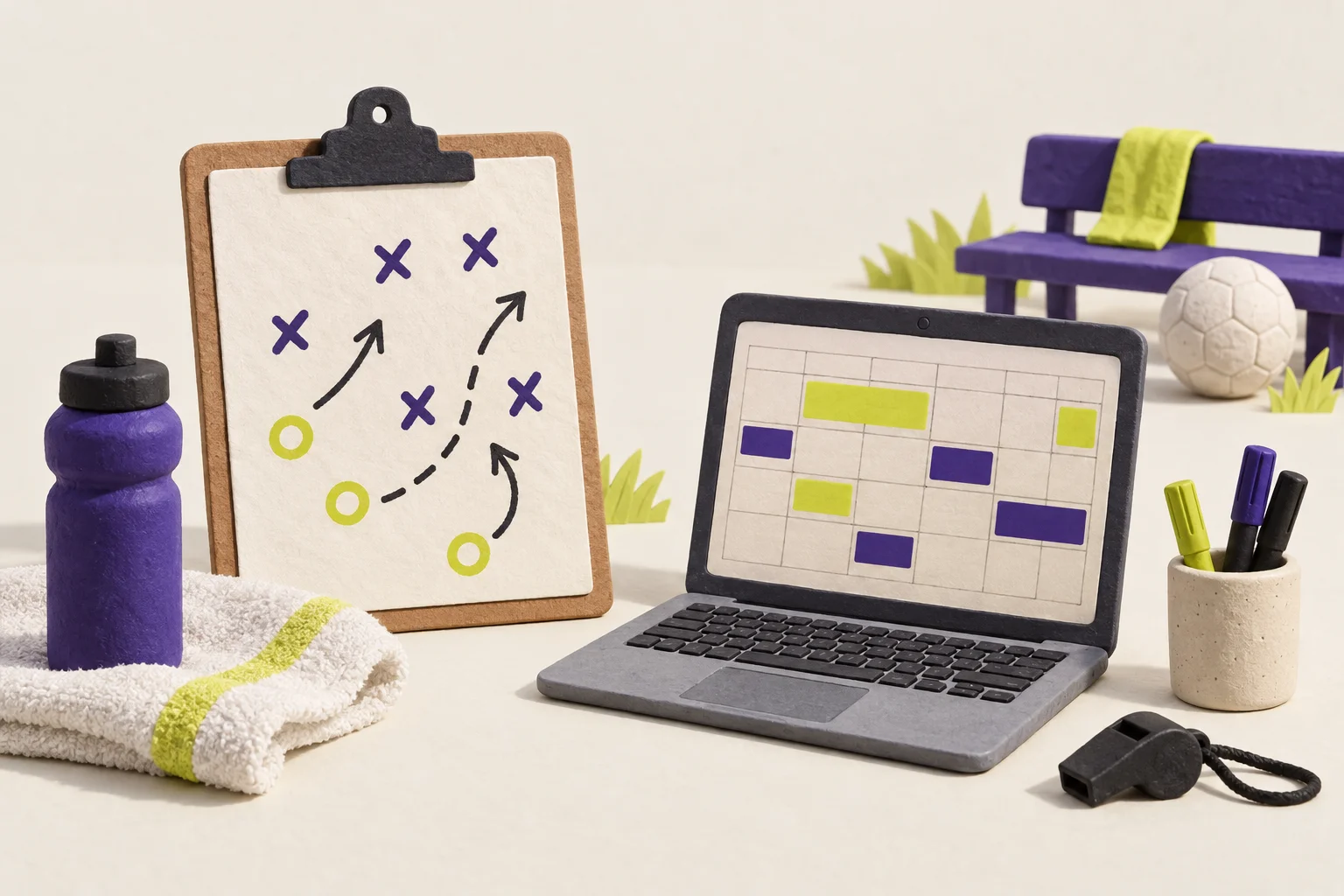
- Big user interview? Book it on the researcher’s starter week.
- Risky migration decision? Land it when lead engineer is a starter.
- Release notes and vendor calls? Place on bench days.
Substitution rules that prevent chaos
Subs fail when authority is vague. Write rules before you need them. Keep them short and visible.
- Inbound support P1: sixth‑man triages and replies; PM starter is informed, not pulled, unless user impact spans more than one day.
- Spec clarifications: sixth‑man answers within the design guardrails; escalates only if scope or users change.
- Stakeholder drive‑bys: sixth‑man books a slot on the next bench day; no same‑day pulls unless legal or safety risk.
- User research recruit falls through: sixth‑man reschedules; starter keeps the deep work block.
Fatigue signals to watch
- PRDs or decisions slip more than one working day.
- Review cycles take more passes than last month.
- Handoff cards come back with gaps or rework.
- More after‑hours messages or weekend work.
- People skip bench days to “catch up.”
When you see two or more in a week, shorten starter loads next week, or add a bench half‑day. Protect recovery first. Output follows.
Worked example: a six‑week PM rotation
Team shape: one PM, one designer, four engineers, and a data partner. We set two starters each week for deep work. One sixth‑man handles interrupts. Each week has one bench day for the whole team.
Rotation slots
- Starters: PM and either designer or lead engineer. They hold long focus blocks.
- Sixth‑man: rotates across PM, designer, and an engineer. They own inbox, support, and drive‑bys.
- Bench day: Wednesday. No new deep work. Clear reviews, admin, and recovery.
Minutes mapping
Budget per person per week: discovery 40%, delivery 40%, ops 20%. That is 16/16/8 hours if you run a 40‑hour week. We keep 1–2 hours free in each bucket as buffer.
Six‑week plan
- Week 1: Starters PM + Designer. Focus on problem framing and concept tests. Sixth‑man: Engineer A for interrupts and support.
- Week 2: Starters PM + Lead Engineer. Focus on tech risks and API decisions. Sixth‑man: Designer for vendor pings and recruit slips.
- Week 3: Starters PM + Designer. Focus on usability tests and scope shaping. Sixth‑man: Engineer B.
- Week 4: Starters PM + Lead Engineer. Focus on spec finalization and migration plan. Sixth‑man: Designer.
- Week 5: Starters PM + Designer. Focus on content and empty states. Sixth‑man: Engineer A.
- Week 6: Starters PM + Lead Engineer. Focus on rollout checks and instrumentation. Sixth‑man: Engineer B.
Matchups
- User interviews and analysis land in Weeks 1 and 3 with the designer as starter.
- Architecture and risk decisions land in Weeks 2, 4, and 6 with lead engineer as starter.
- Legal or vendor syncs live on Wednesday bench days.
Substitution rules
- Interrupt under 60 minutes total: sixth‑man owns end‑to‑end. No pull on starters.
- Interrupt over 60 minutes or user impact spans a day: sixth‑man completes a handoff card; PM reviews on the next bench day unless safety risk.
- Unplanned stakeholder review: book into next bench day. If it must happen this week, swap a noncritical meeting out of a starter’s day to keep a full deep block.
One‑page handoff card
- Context: short summary of the request or incident.
- Impact: who is affected and how urgent it is.
- Decision needed: what call is required, by when, and by whom.
- Facts gathered: links to logs, tickets, or notes.
- Proposed next step: one step the sixth‑man can take now.
- Owner: name of the decision owner and the executor.
Weekly film review agenda (30 minutes)
- Two minutes: rotation check. Who is starter, sixth‑man, bench day next week.
- Ten minutes: one decision. Was timing right? Any rework signal?
- Ten minutes: one handoff. Was the card clear? Was authority clear?
- Five minutes: interrupts count and fatigue signals.
- Three minutes: adjust minutes or add a bench half‑day if needed.
- Treating the rotation as rigid. It is adaptive. Do not punish short bursts.
- Forgetting role clarity. Subs fail without clear decision authority.
- Overloading stars because they are effective. Load management is the point.
- Measuring only velocity. Track decision quality and fewer interrupts.

Put it on the court next week
Pick a six‑week window. Mark starters, a sixth‑man, and a weekly bench day. Set the 40/40/20 minutes. Write your handoff card. Run film review. Adjust each week. Guard minutes the way a coach does. Your roadmap will move with less thrash and better calls.